
Israel’s Tuna Project Targets Captive Breeding At Scale
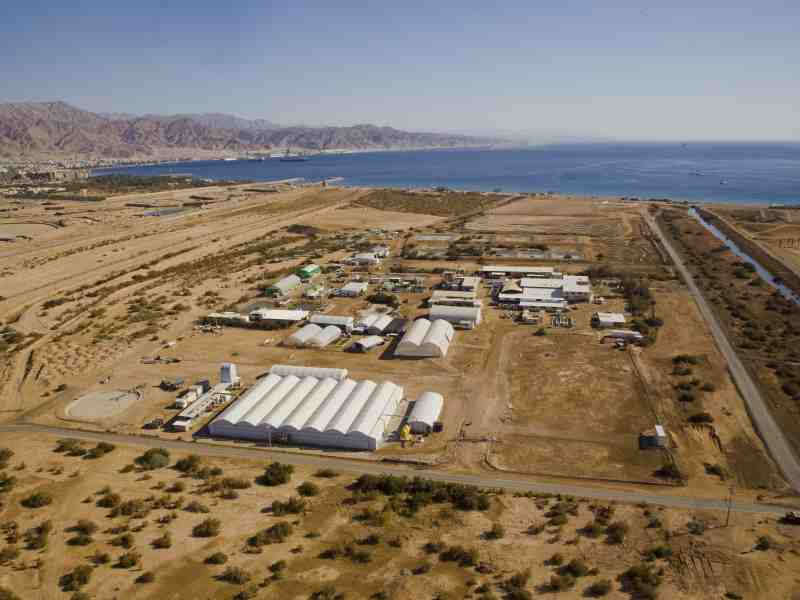
Israel has launched a National Tuna Project to breed Atlantic bluefin under controlled conditions. The aim is to develop a closed-cycle aquaculture model that supplies eggs and juveniles without depleting wild stocks, according to government statements. In June, fertilized bluefin eggs were flown from Malta to the National Center for Mariculture (NCM) in Eilat, Israel. The juveniles are being reared in the center. Captive breeding is technically demanding and requires tight control of water quality, nutrition, temperature, and sensitive larval stages. If the team can establish a stable broodstock, the initiative could bolster food security, reduce pressure on wild bluefin, and open a new high-value aquaculture niche for Israel.
The project’s aim is to build scientific and production infrastructure domestically. Commercial output remains a longer-term goal, but success would position Israel for premium export channels while generating intellectual property and equipment know-how for wider use. The program draws on research by NCM in Eilat and is backed by the Ministry of Agriculture and Food Security, which invested ILS 30 million (USD 9.90 million), alongside the agricultural cooperative Granot Group. In 2019, Atuna reported on Israel funding bluefin farming research, indicating a continuity of effort now shifting from lab research toward pilot-scale production.
0 Comments